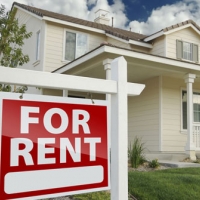
We often hear stories about landlord tenants’ issues. At the time of renting the property if you don’t take the proper precautions you may end up losing money and may have to take the legal route to get back the possession of your property. A landlord-tenant dispute is often settled in the landlord-tenant tribunal, it comes at a cost. When you get possession, the state of the property is usually not very good and you again have to go after the tenant for damages and spend thousands in order to make your property liveable again.
Taking a smart businesslike approach in selecting renters is a must when it comes to protecting your investment and saving you money and aggravation.
As you begin your hunt for the right tenant for your property, use the below tips offered by real estate experts:
1. Understand the laws. Research your provincial laws that cover the landlords and tenants. Know your obligations and rights as a landlord. To better understand these go to https://www.ontario.ca/page/renting-ontario-your-rights or consult a lawyer or search a legal information site.
2. Know where to advertise. There are numerous tools available today. You can post on social media sites for free. To expand your approach, use the paid advertising on social media sites with very minimal payment. But to really reach a broad number of potential renters, hire a realtor. A professional realtor can assist you in the renting process. Although the cost will be little more than the Do It Yourself approach but often it is worth the payment.
3. Prepare your house. Even before putting the word out or advertising, make sure your house is clean and ready to show. Remove clutter and take care of repairs. Because many potential tenants in need of housing are actively looking, they could respond within hours of an ad posting. A well-maintained house can increase your chances of getting a good tenant and potentially more rent.
4. Rental application. Start with the rental application. Ask for a duly filled rental application (search the web for free rental applications). You could request the following;
- Applicants' names
- Social insurance numbers
- Previous addresses
- Driver's license numbers
- Income sources and amounts
- Children's names and ages
- Employer contacts and job title
- References (not family)
This information will help you in the decision making process. Make sure to check the references and check the authenticity of the information provided. If you have a realtor, ask for proof that he or she has done it.
5. Rent deposit. Ask for the first and last month’s rent (if allowed by the law) by certified cheque or a bank deposit. If it is not a certified cheque or bank draft, wait for the cheque to be cleared by the bank before you stop advertising.
6. Use a lease agreement. A proper lease sets the terms and conditions for tenants living in the house. These include facts like who will live there when the rent is due, penalties for late rent and so on. A good lease spells out the policies and basis for eviction. Don’t settle for a verbal lease agreement.
7. Ask for tenant insurance. During the application process before a lease is signed, let your potential tenants know you will need the proof of tenant insurance on the move-in date. Renters insurance will cover the cost of the tenants' belongings as well as the damage they could cause to your house.
8. Don’t rush. Have high standards, ask questions, do proper reference checks, confirm employment letters and call the previous landlord. Do not settle out of desperation. You will end up having a bad tenant that will cost you time and money in the long run.


Post a comment